Our team members and advisors addressed progress of the India team, key implementation considerations, and the strategic approach to support feasibility at the healthcare-worker level.
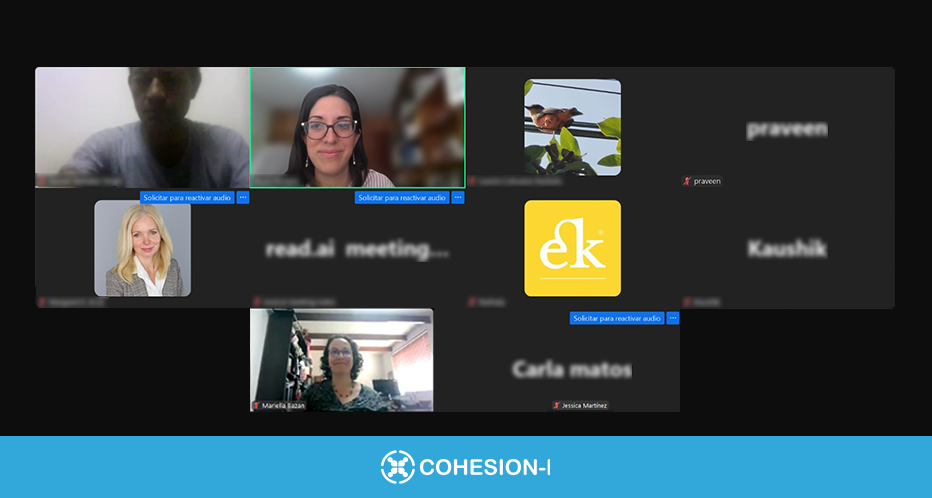
The virtual meeting was held on October 16 to address key implementation aspects and broader practical considerations. The session began with a brief overview of the project, summarizing its purpose, main components, multi-country scope, co-design approach, and planned evaluations. The meeting highlighted the significant progress of the India team in implementing and evaluating the intervention package. The formative and co-design phase of the study has been completed, with the interventions currently in development and validation planning in progress. Our team members also provided an update on the focus of the intervention package and the planned activities for the implementation stage.
During the discussion, our advisors raised considerations regarding the feasibility, burden of the work implications, and sustainability of the interventions, including the role of digital tools in supporting healthcare workers. The team addressed these concerns by explaining how the interventions were shaped through the formative and co-design phases and aligned with the priorities of local healthcare workers. They also emphasized that these efforts are supported by a sustainability-oriented capacity-building program, as well as digital platforms designed to streamline reporting and reduce the burden on healthcare personnel. Building on this exchange, advisors also reviewed how short-, mid-, and long-term outcomes are captured within the Theory of Change, which led the team to outline the overall evaluation strategy. The team further emphasized that the Process Evaluation will ensure that all components are assessed qualitatively as well.
The discussions moved beyond key implementation considerations to address platform readiness, ensure user-friendly digital solutions aligned with health system needs, and recommend dissemination through practice-oriented publications to amplify project’s impact.
The external advisory session concluded with an update of progress across partner countries, noting Peru’s completion of the co-design phase and upcoming third evaluation during implementation in November 2025, while Mozambique and Nepal move toward finalizing their co-design processes and conducting their first evaluation activities. We thank our advisors for their strategic guidance and expertise, which continue to guide the project and support its implementation.